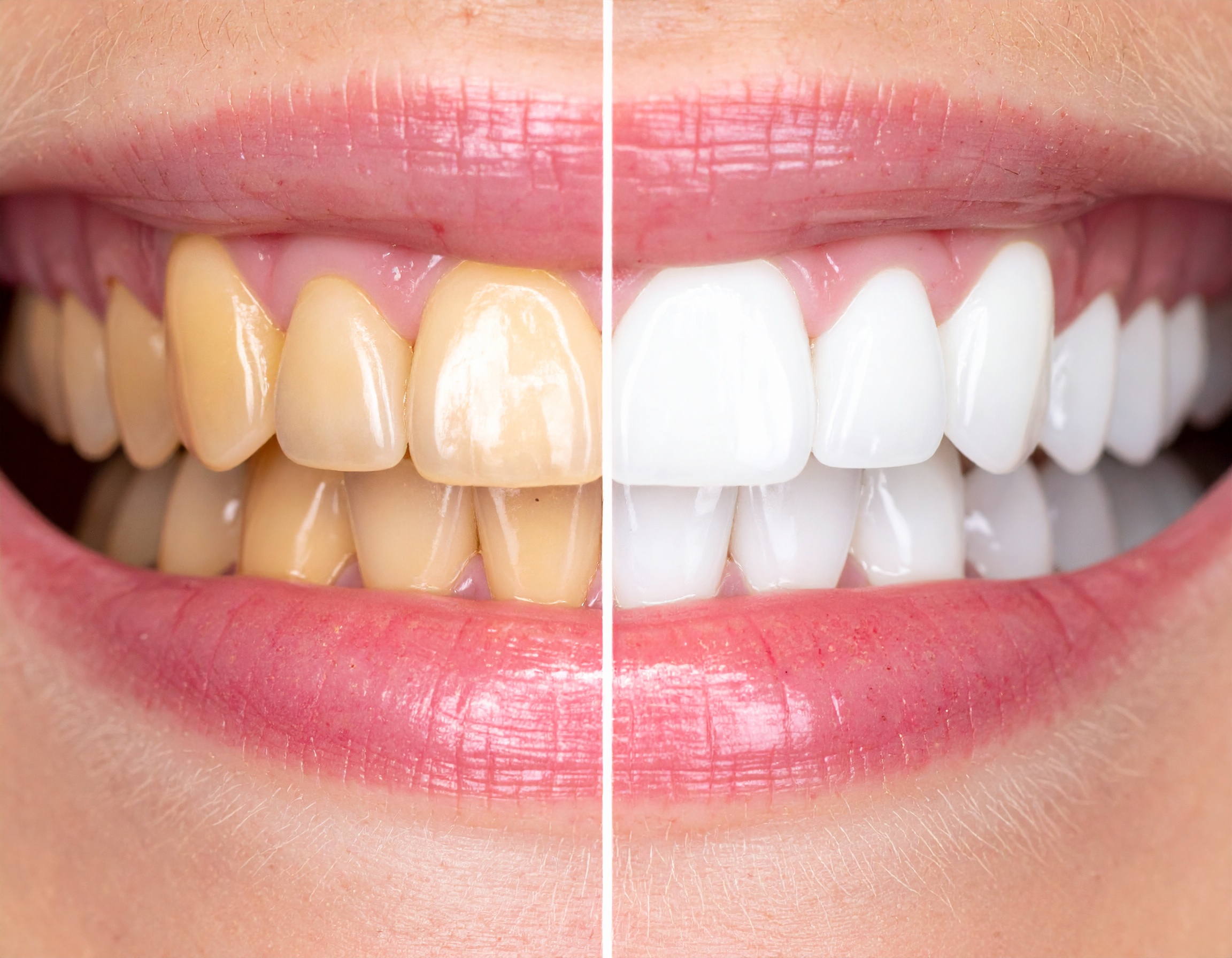
A brighter, whiter smile is one of the most requested cosmetic dental treatments today. From social media to everyday conversations, it’s clear that people value a clean, radiant smile. But before starting any whitening treatment, many people ask an important question: Is teeth whitening actually safe?
The good news is that teeth whitening is generally safe when done properly. However, like any dental treatment, it depends on how it’s used, the type of product, and your individual oral health.
Understanding how whitening works—and the risks involved—can help you make the best decision for your smile.
How Teeth Whitening Works
Teeth whitening products typically rely on peroxide-based ingredients, such as hydrogen peroxide or carbamide peroxide.
These ingredients work by:
- Breaking down stains on the surface of teeth
- Penetrating enamel to lighten deeper discoloration
- Oxidizing stain molecules to make teeth appear whiter
This process is widely studied and used in professional dentistry, making it both effective and predictable when applied correctly.
However, while whitening can improve color, it does not change the natural structure of your teeth or fix underlying dental issues.
Is Teeth Whitening Safe for Everyone?
Although whitening is safe for most people, it’s not ideal for everyone.
You should be cautious or consult a dentist first if you have:
- Sensitive teeth
- Gum disease or inflammation
- Cavities or untreated decay
- Worn or thin enamel
- Dental restorations like crowns, veneers, or fillings
Whitening agents only work on natural tooth enamel. This means restorations will not change color, which can result in uneven shading if not properly planned.
Additionally, applying whitening products to unhealthy teeth can worsen existing problems, which is why a pre-treatment dental checkup is highly recommended.
Professional Whitening vs. At-Home Options
There are two main ways to whiten your teeth: professional treatments and at-home products. Both can be safe, but they differ in effectiveness and risk level.
Professional Whitening (Dentist-Supervised)
Professional whitening is considered the safest and most reliable option.
Benefits include:
- Customized treatment based on your dental condition
- Controlled application to protect gums and enamel
- Stronger, clinically approved whitening agents
- Faster, more noticeable results
Dentists also take steps to minimize sensitivity and ensure even whitening, making this the best option for people with concerns or complex cases.
At-Home Whitening Products
Over-the-counter options include:
- Whitening strips
- Gels and pens
- Tray-based systems
These products can be safe if used correctly, but they come with limitations.
Common issues include:
- Improper application
- Overuse
- Lower concentration of active ingredients
- Lack of personalization
When used as directed, they can produce gradual results—but misuse increases the risk of side effects.
Common Side Effects of Teeth Whitening
Even when done correctly, some temporary side effects are normal.
Tooth Sensitivity
This is the most common side effect.
You may feel:
- Sharp discomfort when consuming hot or cold foods
- Increased sensitivity during treatment
This happens because whitening agents temporarily expose microscopic pathways in the enamel.
The good news is that sensitivity is usually short-term and manageable, often resolving within a few days.
Gum Irritation
If whitening gel comes into contact with your gums, it may cause:
- Mild irritation
- Temporary redness
- Slight discomfort
This is more common with poorly fitted trays or over-applied products.
When Teeth Whitening Becomes Risky
Teeth whitening is safe—but only when done properly. Problems arise when people misuse products or follow unverified trends.
Overusing Whitening Products
Using whitening treatments too frequently can:
- Weaken enamel
- Increase long-term sensitivity
- Cause uneven results
More is not better. Overuse can do more harm than good.
DIY or Social Media Hacks
Some popular DIY methods include:
- Lemon juice and baking soda
- Activated charcoal
- Hydrogen peroxide mixtures
These can be dangerous because they may:
- Erode enamel
- Increase tooth sensitivity
- Cause permanent damage
Once enamel is lost, it cannot grow back—making these risks serious.
Whitening Without Treating Dental Issues
If you whiten teeth with existing cavities or gum disease, you may worsen the condition and increase discomfort.
Always address underlying issues first.
How to Whiten Your Teeth Safely
If you’re considering whitening, following a few simple guidelines can help you avoid complications.
Start With a Dental Checkup
A dentist can identify any issues that need to be treated before whitening begins.
Follow Instructions Exactly
Whether using professional or at-home products, always stick to recommended usage times and frequency.
Choose Trusted Products
Use dentist-approved or clinically tested whitening systems.
Avoid Overuse
Give your teeth time to recover between treatments.
Manage Sensitivity
If sensitivity occurs:
- Use toothpaste designed for sensitive teeth
- Take breaks between treatments
- Avoid extremely hot or cold foods temporarily
How Long Do Whitening Results Last?
Teeth whitening is not permanent, but results can last several months to a few years, depending on your lifestyle.
Factors that affect longevity include:
- Coffee and tea consumption
- Smoking
- Oral hygiene habits
- Diet
To maintain your results:
- Brush and floss regularly
- Limit staining foods and drinks
- Schedule occasional touch-up treatments
What Teeth Whitening Can and Cannot Do
It’s important to set realistic expectations before starting.
Teeth whitening can:
- Brighten natural teeth
- Reduce stains from food, drinks, and aging
- Improve overall appearance
Teeth whitening cannot:
- Change the color of crowns or fillings
- Fix chipped or damaged teeth
- Provide permanent results
Understanding these limits helps prevent disappointment and ensures better outcomes.
Final Thoughts
Teeth whitening is a safe and effective way to enhance your smile—as long as it’s done responsibly.
The key is to focus on both cosmetic improvement and oral health.
When done correctly, whitening can boost your confidence and improve your appearance. But when misused, it can lead to sensitivity, enamel damage, and long-term issues.
Before starting any whitening treatment, take a moment to evaluate your dental health and choose the right approach. When in doubt, professional guidance can make all the difference.
A brighter smile is great—but a healthy smile is what truly lasts.