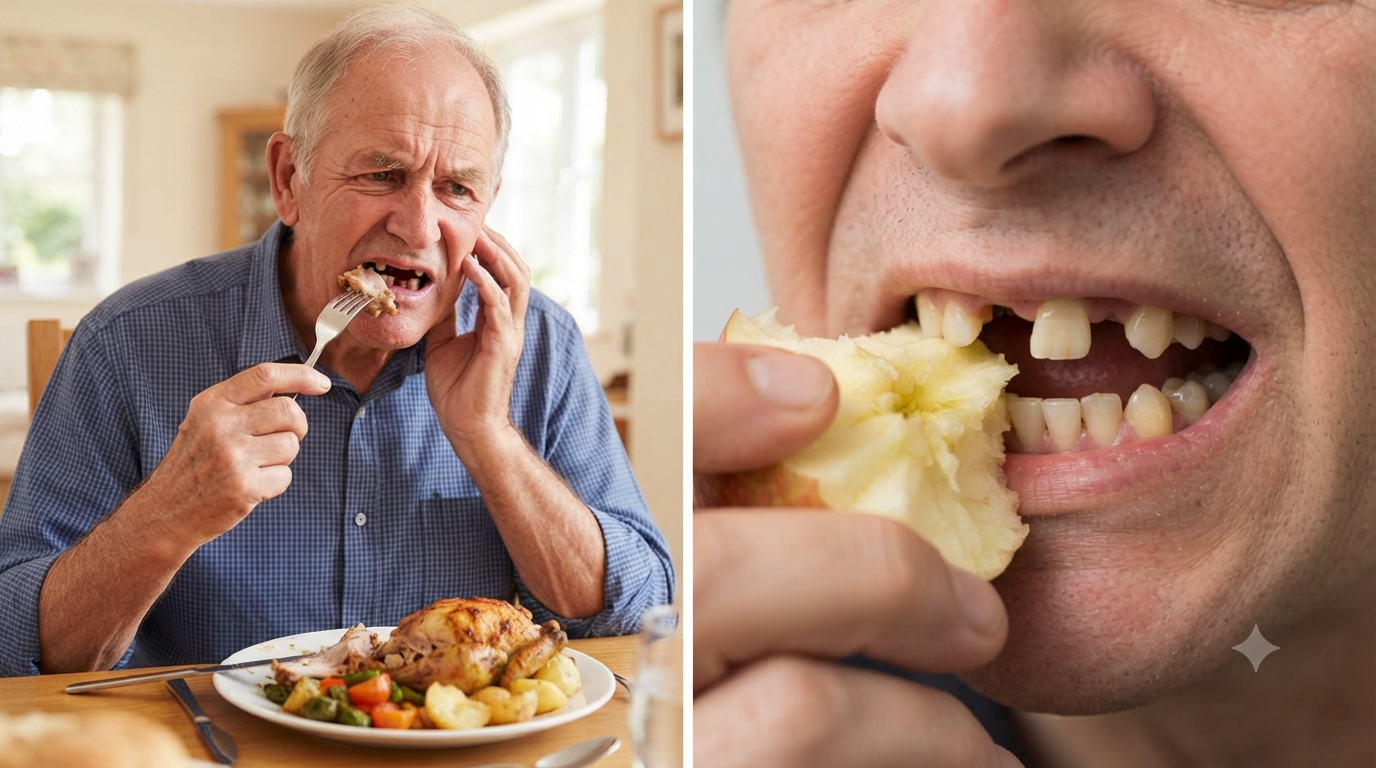
Missing teeth can affect much more than your appearance. While many people focus on the cosmetic impact of tooth loss, the ability to chew food properly is just as important. Every tooth plays a role in breaking down food, supporting proper digestion, and helping you enjoy a balanced diet.
When one or more teeth are missing, everyday activities like eating can become more difficult. Over time, this can influence your food choices, nutritional intake, and even your overall health.
Let’s explore how missing teeth affect chewing efficiency and nutrition—and why replacing missing teeth is an important investment in your oral and general well-being.
Why Chewing Matters
Chewing is the first step in the digestive process. As you chew, food is broken into smaller pieces and mixed with saliva, making it easier to swallow and digest.
Efficient chewing helps:
- Improve digestion
- Increase nutrient absorption
- Reduce strain on the digestive system
- Make eating more comfortable and enjoyable
When teeth are missing, this process becomes less effective, forcing other teeth to work harder and making it more difficult to chew certain foods.
Missing Teeth Reduce Chewing Efficiency
Each tooth has a specific role in chewing. Front teeth bite into food, while premolars and molars grind it into smaller pieces.
When one or more teeth are missing, you may experience:
- Difficulty chewing tough or crunchy foods
- Uneven pressure while chewing
- Slower eating
- Discomfort when biting
- Greater wear on the remaining teeth
Many people naturally begin chewing on only one side of the mouth, which can place extra stress on healthy teeth and jaw muscles.
Food Choices May Change
As chewing becomes more difficult, many people begin avoiding foods that require more effort to eat.
Common foods that may be limited include:
- Fresh apples
- Carrots
- Nuts
- Steak
- Corn on the cob
- Raw vegetables
Instead, people often choose softer, processed foods that are easier to chew but may contain more sugar, sodium, and unhealthy fats.
Over time, these dietary changes can affect overall nutrition.
Poor Nutrition Can Affect Overall Health
A balanced diet provides the vitamins and minerals your body needs to function properly. If missing teeth make it difficult to eat nutritious foods, your health may be affected.
Poor nutrition may contribute to:
- Reduced energy levels
- Weakened immune function
- Slower healing
- Weight changes
- Increased risk of chronic health conditions
Nutrients commonly found in crunchy fruits, vegetables, nuts, and lean proteins are especially important for maintaining healthy bones, muscles, and immune function.
Replacing missing teeth can make it easier to enjoy these healthy foods again.
Missing Teeth Can Affect Digestion
When food isn’t chewed thoroughly, larger pieces enter the digestive tract.
Although the stomach and intestines continue the digestive process, poorly chewed food may place additional strain on the digestive system.
Some people with missing teeth report:
- Difficulty digesting certain foods
- Feeling full more quickly
- Avoiding high-fiber foods that support digestive health
Chewing food properly supports better digestion from the very beginning.
Tooth Loss Can Affect More Than Eating
Missing teeth can also lead to other oral health problems over time.
Without replacement, you may experience:
- Shifting of nearby teeth
- Changes in your bite
- Jawbone loss
- Increased wear on remaining teeth
- Speech difficulties
- Reduced confidence when smiling or speaking
Replacing missing teeth helps preserve the alignment and function of your entire smile.
Treatment Options for Missing Teeth
Fortunately, modern dentistry offers several effective solutions for replacing missing teeth.
Depending on your needs, your dentist may recommend:
Dental Implants
Dental implants replace both the tooth root and the visible tooth. They provide excellent stability, restore chewing efficiency, and help preserve jawbone health.
A dental bridge fills the space left by one or more missing teeth, restoring appearance and function by anchoring to neighboring teeth.
Dentures
Partial or full dentures replace multiple missing teeth and improve the ability to chew, speak, and smile confidently.
Your dentist will recommend the option that best fits your oral health, lifestyle, and long-term goals.
Protect Your Nutrition and Your Smile
If you’re missing one or more teeth, don’t wait to seek treatment. Replacing missing teeth can improve your ability to eat a wider variety of nutritious foods while protecting your remaining teeth and supporting your overall health.
Maintaining good oral hygiene, eating a balanced diet, and attending regular dental checkups are essential for preserving your smile and preventing future tooth loss.
A Healthy Smile Supports a Healthy Body
Your teeth do much more than help you smile—they play a vital role in chewing, digestion, nutrition, and overall wellness. Missing teeth can make everyday eating more challenging, leading to dietary changes that may affect both your oral and general health.
The good news is that effective tooth replacement options can restore your ability to chew comfortably and confidently. Whether you need a dental implant, bridge, or denture, replacing missing teeth can improve your quality of life and help you enjoy the healthy foods your body needs.
If you’re living with missing teeth, schedule a consultation with your dentist to explore your treatment options. Restoring your smile isn’t just about appearance—it’s about protecting your health for years to come.